2014 T651 aluminum alloy is an Al-Cu (aluminum-copper) series alloy widely used in engineering applications that require high strength. The T651 temper indicates that the alloy has been solution heat treated, stress relieved by stretching, and then artificially aged. This treatment provides the alloy with high tensile and yield strength while also ensuring good dimensional stability. It is commonly used in aerospace, defense industry, heavy machinery components, and structural parts subjected to high loads.
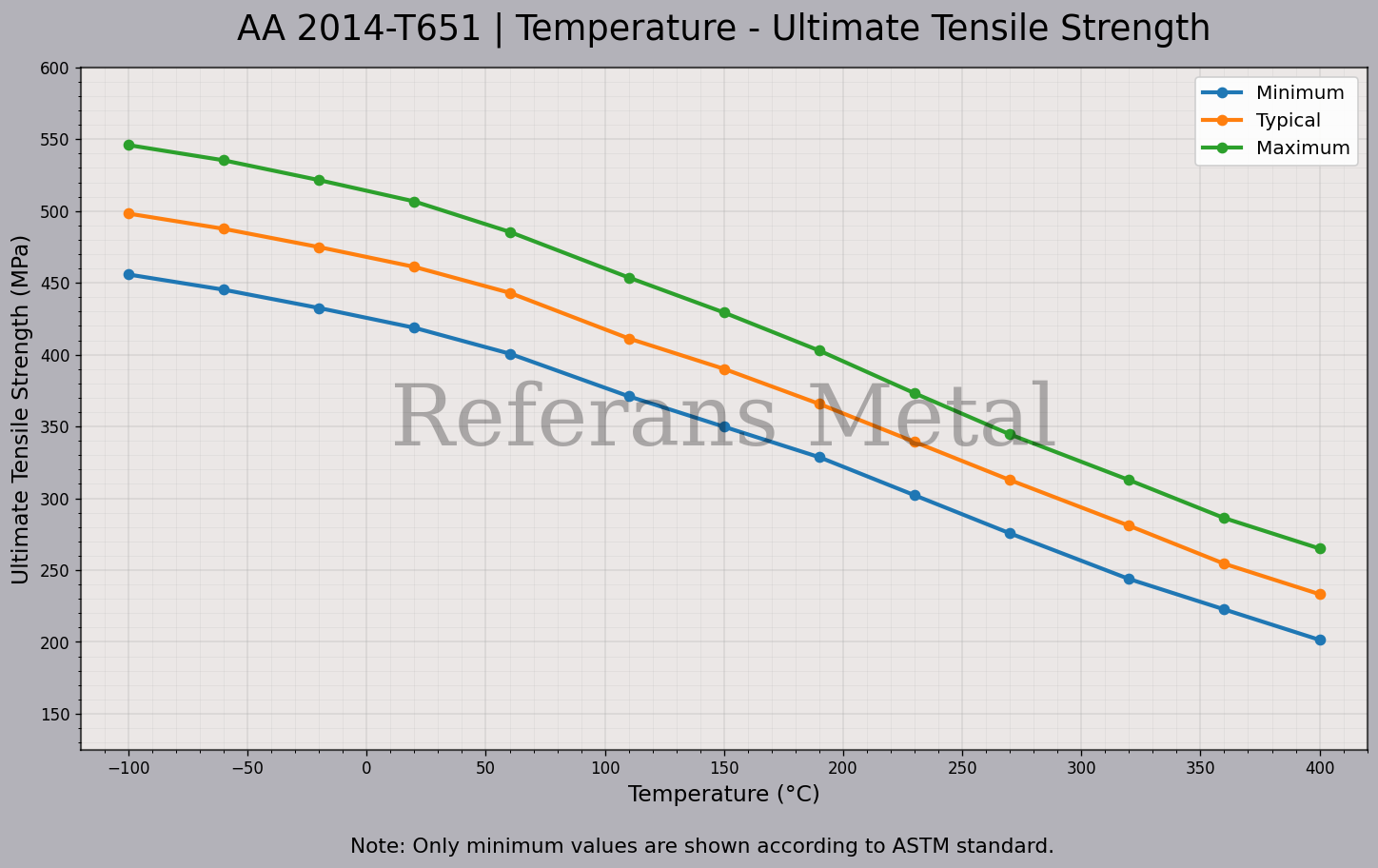
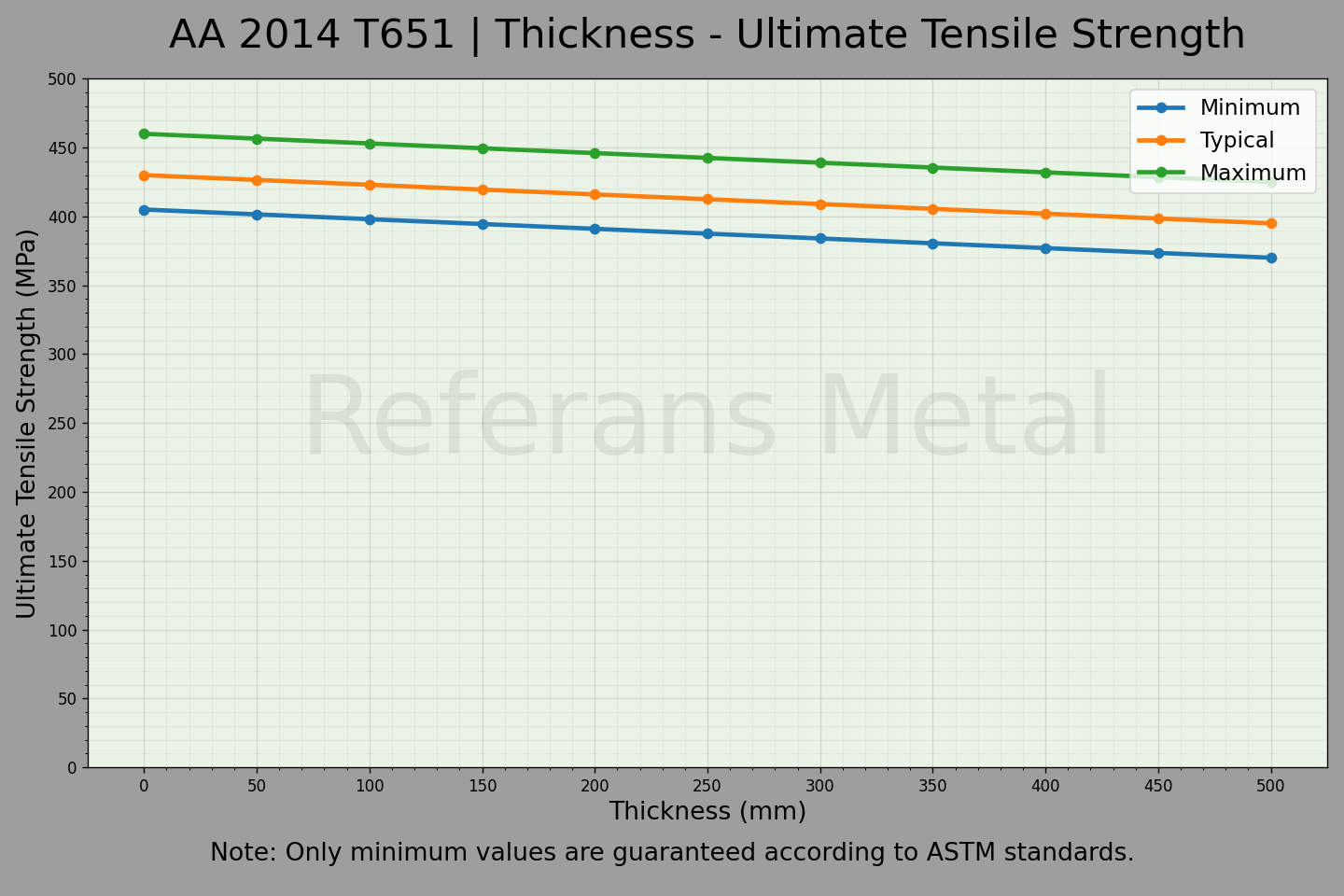
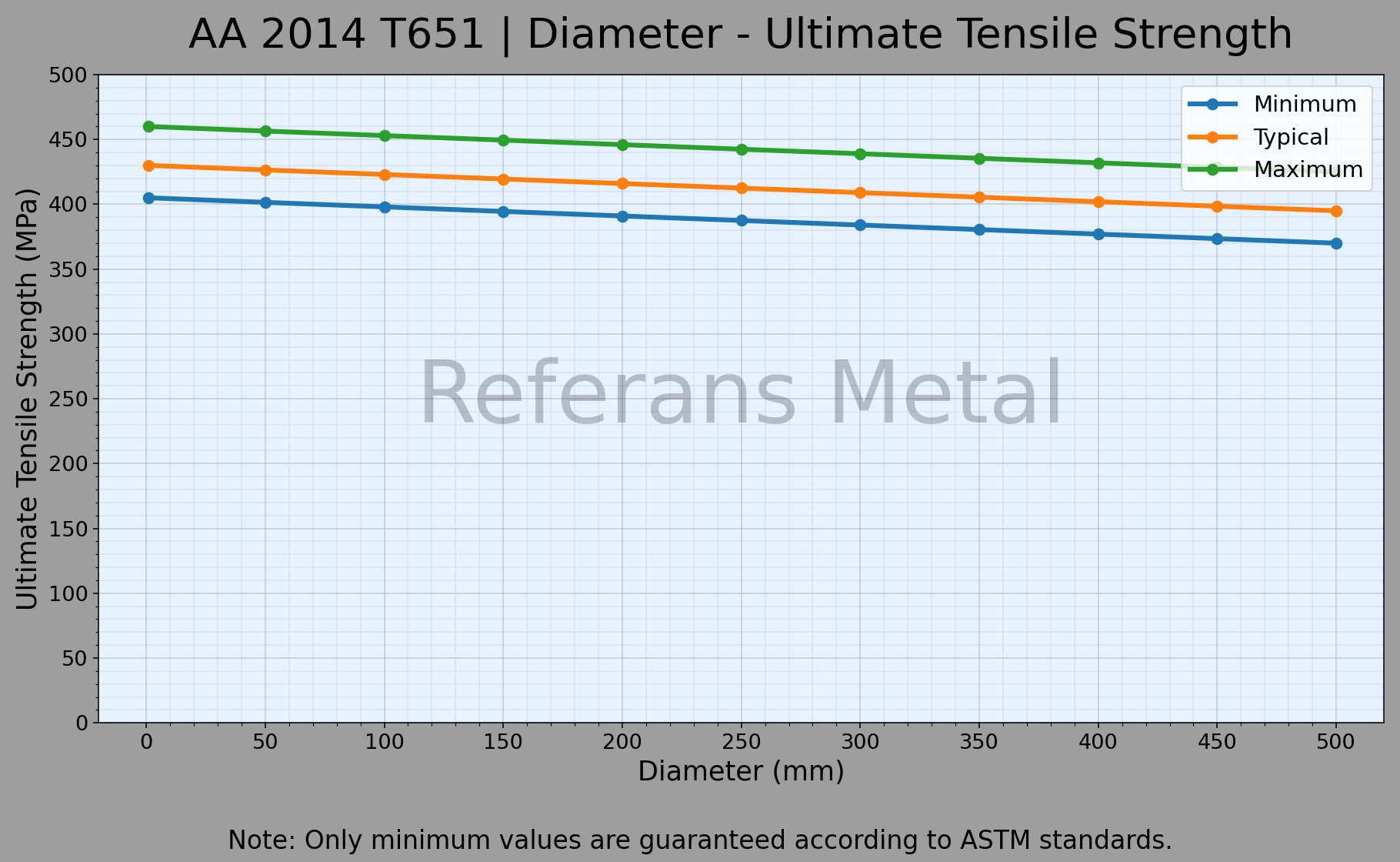
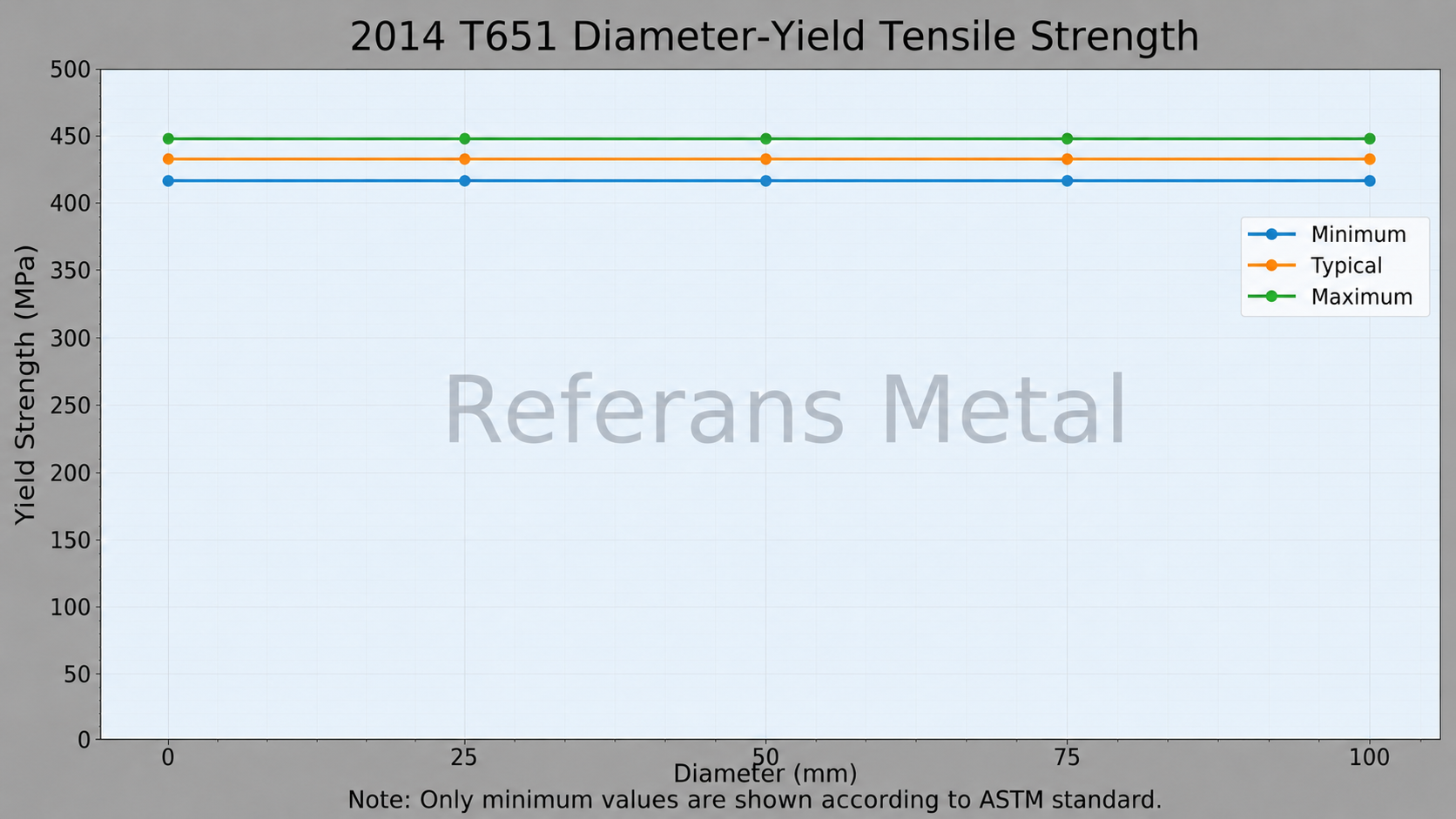
The strength of the 2014 T651 alloy is very high, making it suitable for components operating under significant mechanical stress. The tensile strength typically ranges between 420–480 MPa, which is higher than many alloys in the 6000 series. For example, when compared to 6061-T6, 2014-T651 offers higher strength but somewhat lower corrosion resistance. However, while 7075-T6 provides even higher strength, the 2014 alloy can offer better machinability in some cases.
In terms of corrosion resistance, the 2014 alloy is not as resistant as pure aluminum or some magnesium-based alloys. For this reason, surface treatments such as cladding, anodizing, or painting are often applied, especially in outdoor or humid environments. For instance, marine alloys such as 5052 or 5083 provide better corrosion resistance. Nevertheless, 2014 alloy continues to be preferred in applications where mechanical strength is the primary requirement.
From a machinability perspective, 2014 T651 alloy performs very well. It shows excellent results in machining processes and is therefore widely used in the production of precision machine parts. Turning, milling, and drilling operations can produce high-quality surface finishes. However, its bending capability is limited in the T651 temper due to its high strength, making it unsuitable for sharp forming operations. Its weldability is also limited and welding is generally not recommended.
Regarding vibration response and structural stability, the 2014 T651 alloy offers high stiffness and good fatigue resistance. These properties make it suitable for aircraft structural parts, aerospace fasteners, military equipment, and heavily loaded mechanical components. It is also used in motorsport components, tooling equipment, and engineering applications requiring high strength. The combination of strength, machinability, and structural durability makes this alloy an important material for many critical applications.

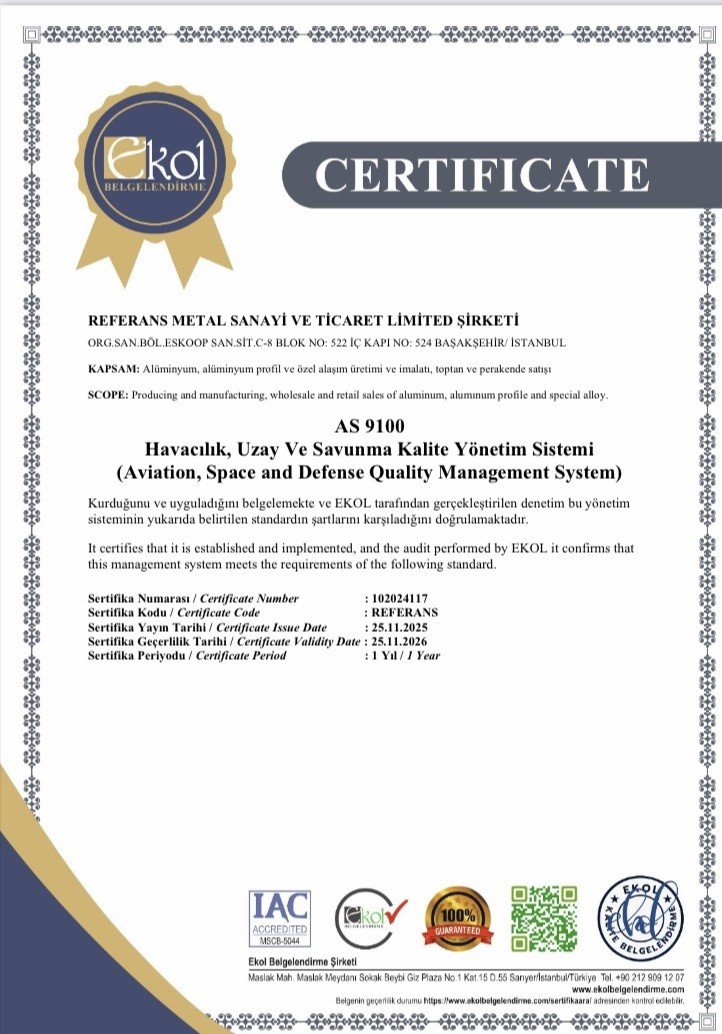 AS 9100
 SPACE 2009
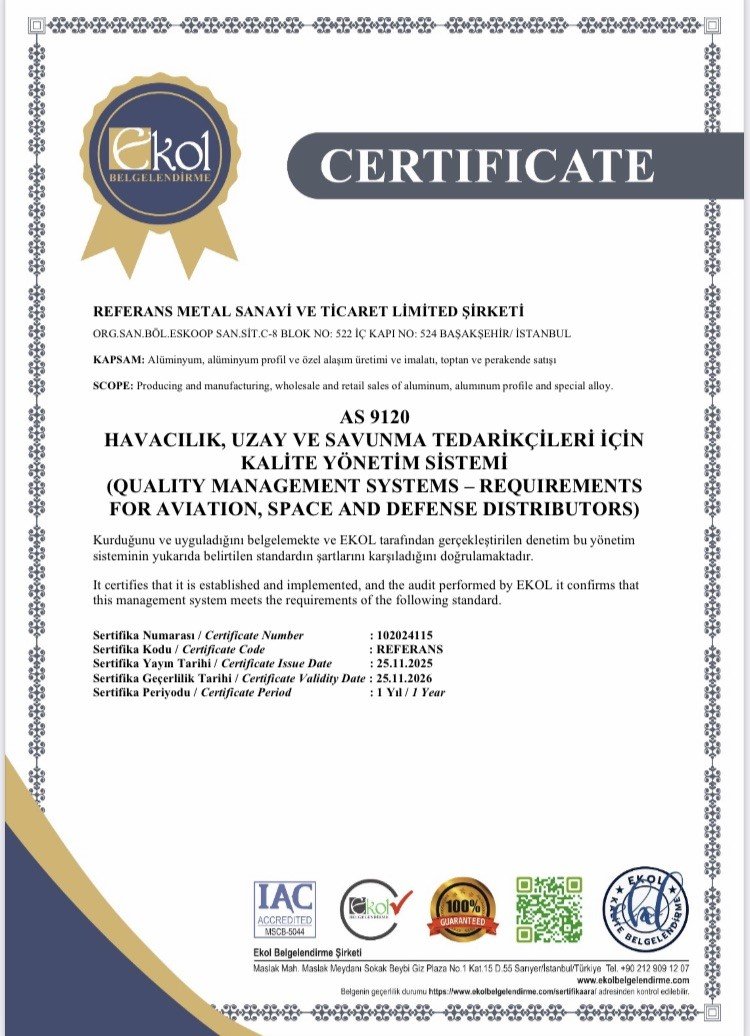 AS 9120




 Weight Calculator