2011-T3 aluminum alloy is a free-machining aluminum alloy developed primarily for high-precision machining operations and contains a relatively high amount of copper. It belongs to the 2000 series aluminum alloys and stands out due to its high strength and excellent machinability. The T3 temper indicates that the alloy has been solution heat-treated, cold worked and naturally aged to achieve a specific strength level. Because of these characteristics, it is widely used in automotive components, precision machine parts, fasteners and certain aerospace equipment components.
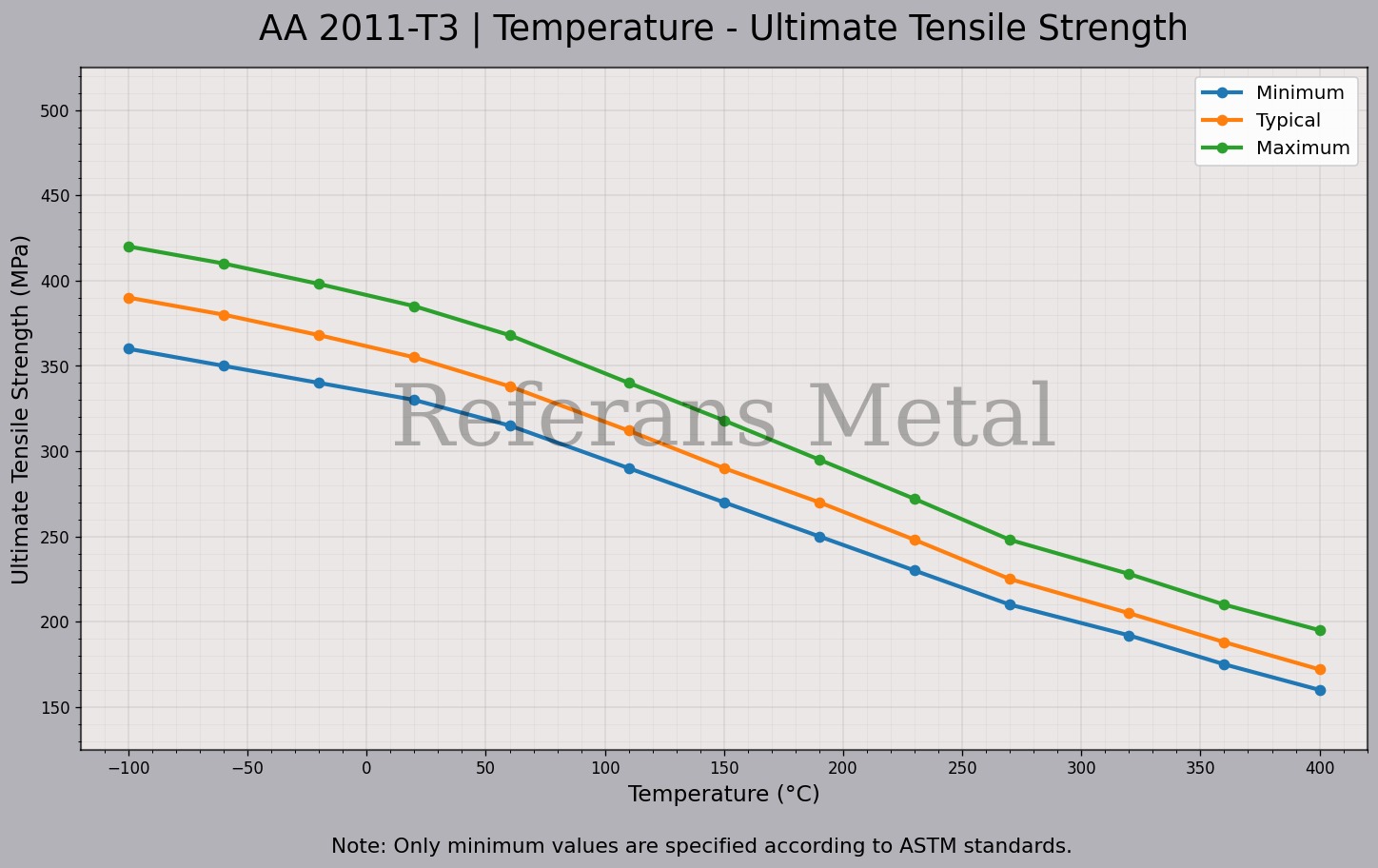
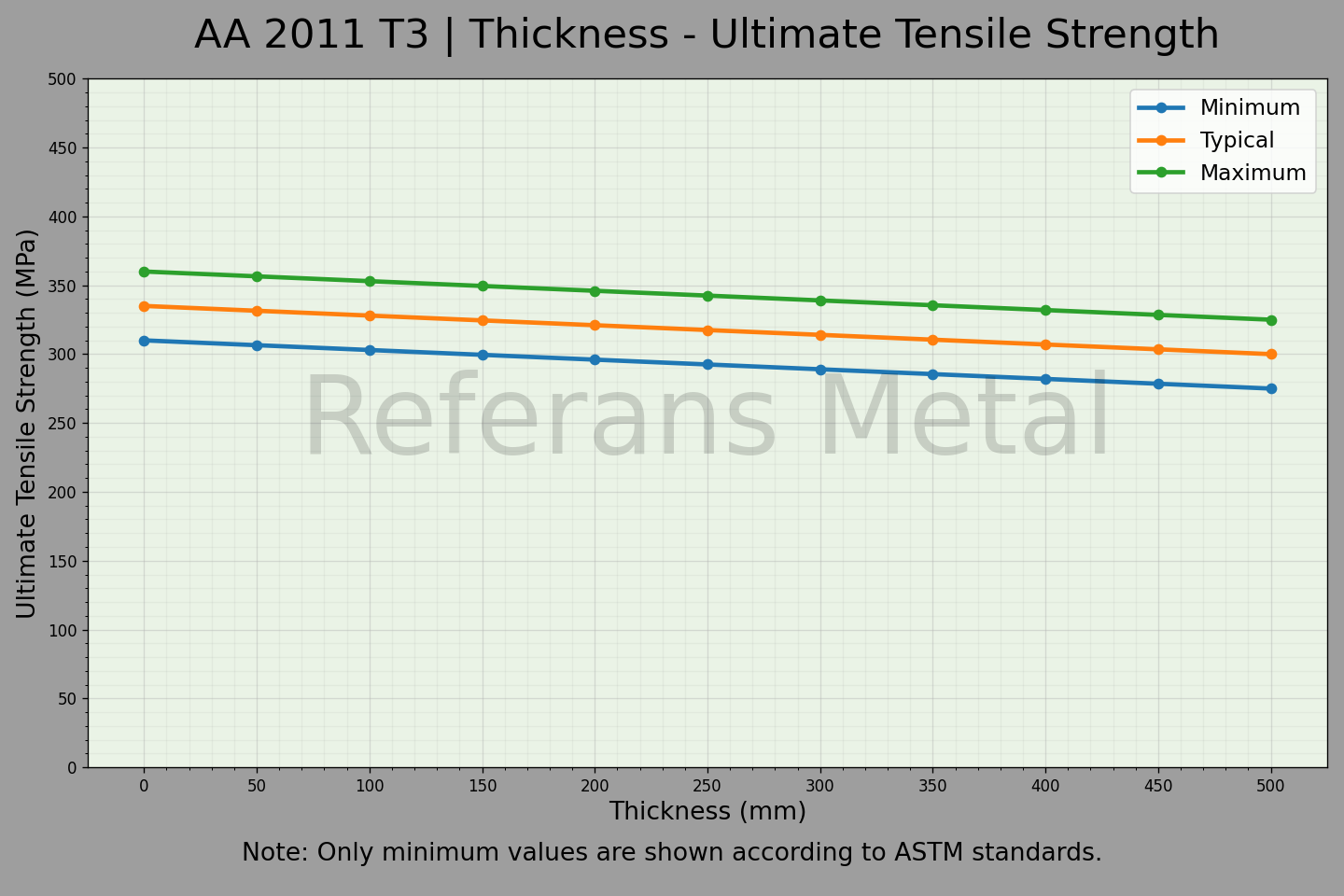
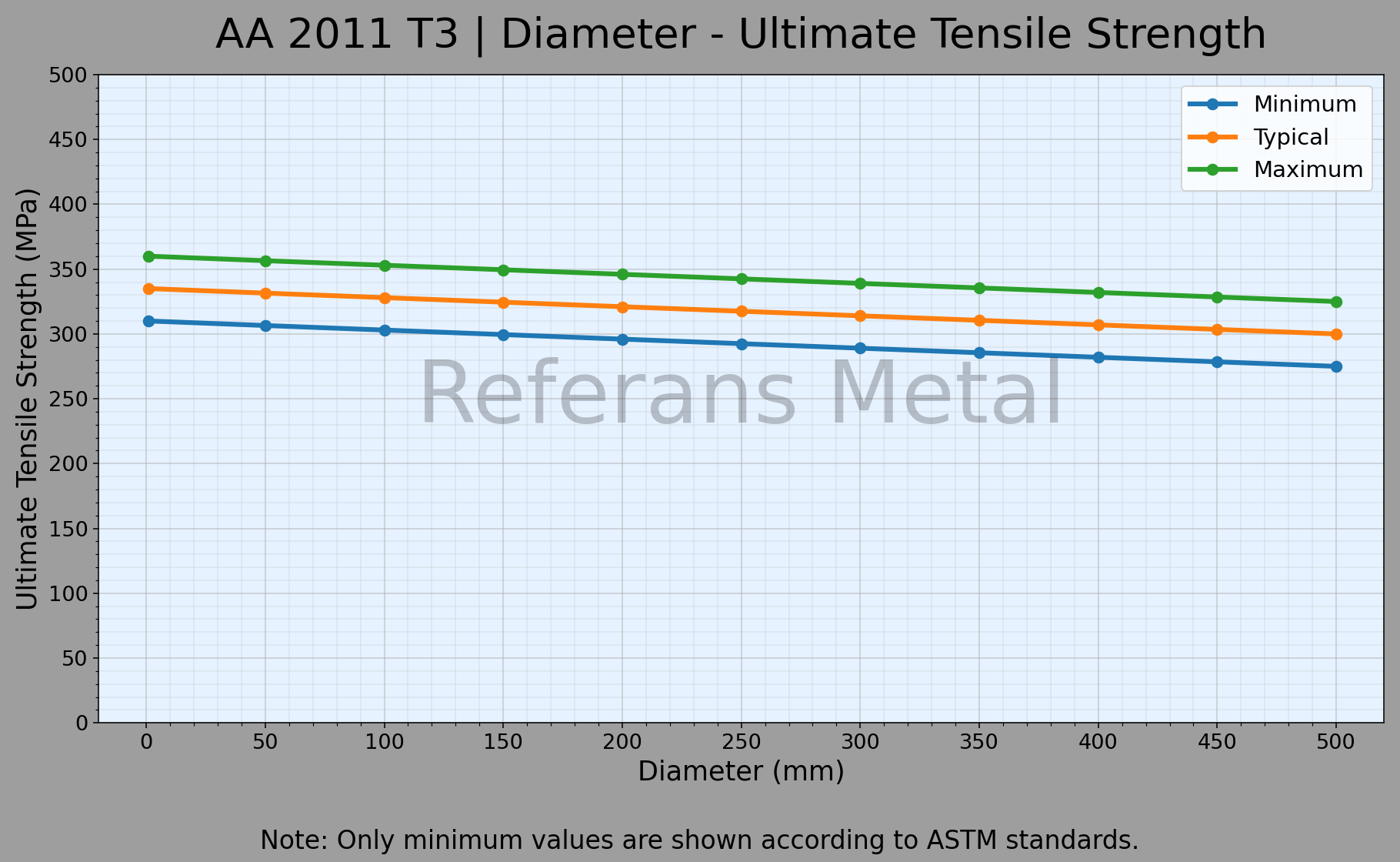
The strength of 2011-T3 alloy is relatively high compared with many general-purpose aluminum alloys. For example, 6061-T6 alloy offers a good balance of strength and corrosion resistance, while 2011-T3 provides superior machinability and chip-breaking performance. However, 7075-T6 alloy offers higher mechanical strength although its machinability is not as good as 2011. 2024-T3 alloy, widely used in aerospace applications, provides better fatigue resistance compared with 2011, although it may have lower machinability.
In terms of corrosion resistance, 2011-T3 does not perform as well as pure aluminum or 5000 series alloys. This is mainly due to its relatively high copper content. Therefore, surface protection methods are often preferred for outdoor or aggressive environments. Surface treatments such as anodizing, plating or protective coatings can be applied, although decorative anodizing results may be more limited compared with some other alloys. For this reason, functional coatings are typically preferred in many applications.
Machinability is one of the most important advantages of the 2011-T3 alloy. During machining operations, it produces short and brittle chips, allowing high production speeds and good surface finish. Because of this property, it is considered one of the best aluminum alloys for automatic screw machining operations. However, its bending and forming capability is more limited compared with more ductile alloys such as 5052 or 6063. Weldability is also poor due to its copper content, and mechanical fastening methods are generally preferred.
In terms of vibration behavior and mechanical stability, 2011-T3 provides suitable performance for precision-machined components. High rigidity and well-finished surfaces can help control vibration in machine parts. Because of these characteristics, the alloy is widely used in automotive components, electronic equipment, fasteners, hydraulic system parts and precision machinery components. In high-volume machining applications, it is often preferred due to its combination of excellent machinability and adequate strength.

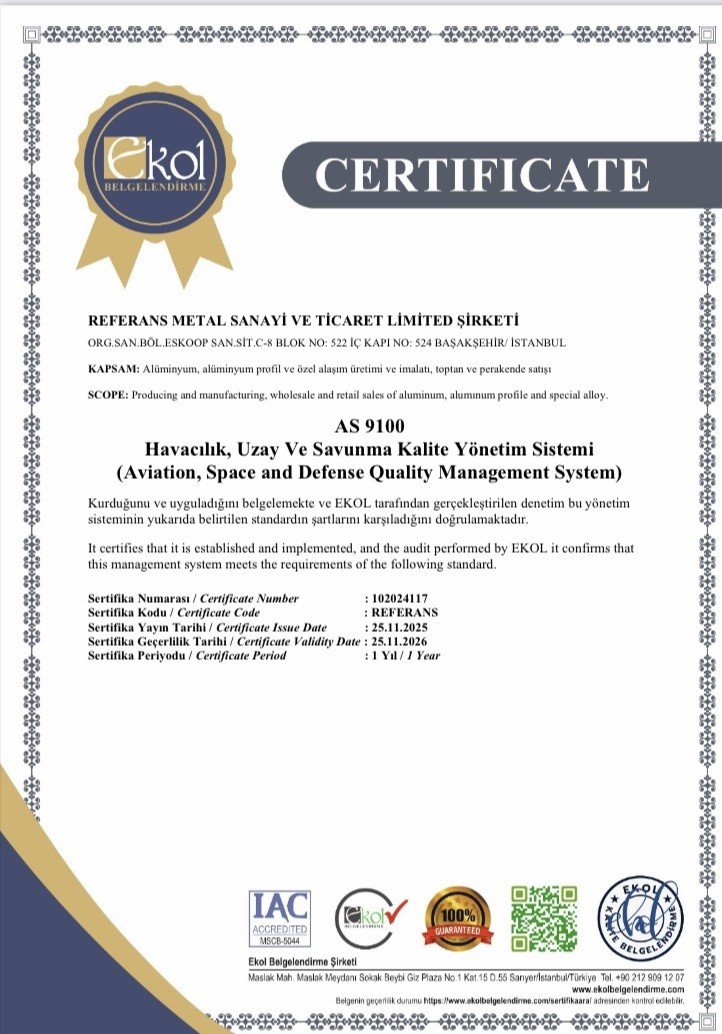 AS 9100
 SPACE 2009
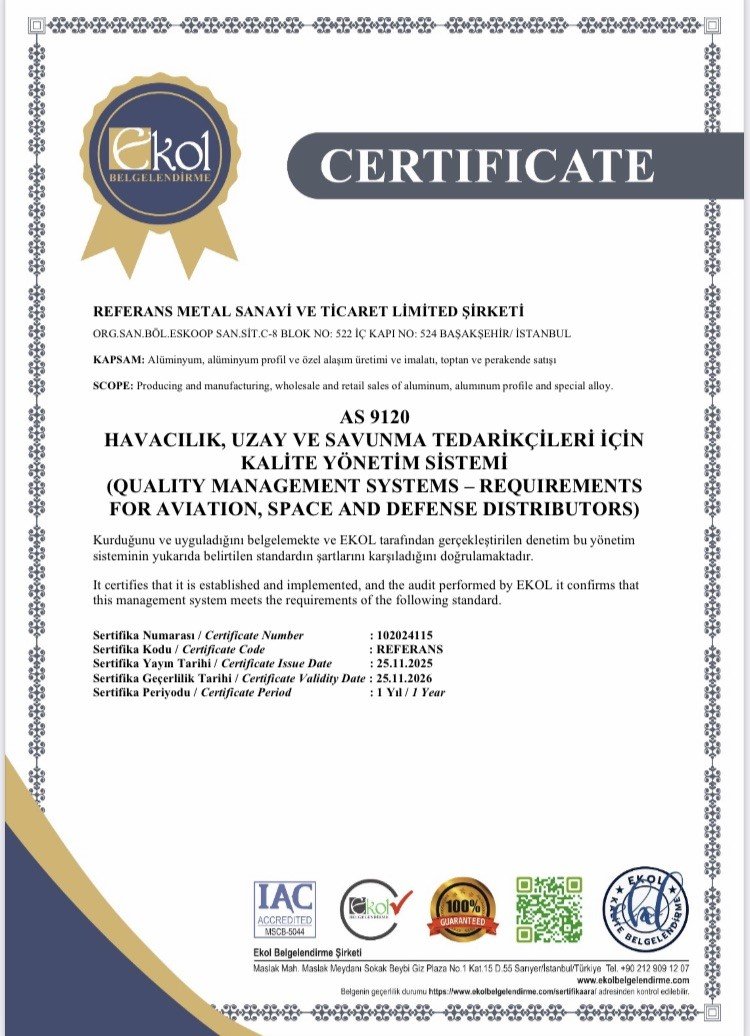 AS 9120



 Weight Calculator